Blackmagic Cloud Store Gallery


Neil Finn’s Infinity Sessions
Live Director: Hugh Sundae
Camera Op: Darryl Ward
Camera Op: Oily Harris
Production Company: Sundae Pictures
“Quality is everything at Roundhead Studios, we are always looking to take these ‘live broadcasts’ to the next level.”
“Crowded House’s Neil Finn came up with this idea of live streaming the recording of his ‘Out Of Silence’ album over four weeks back in 2016; which he called the ‘Infinity Sessions’. These were a pretty big affair with more than a dozen singers and an orchestra. Since then, the ‘Infinity Sessions’ have just grown and grown, with artists from all over the world taking part. But they were pretty expensive events to put on, with us hiring up to six camera operators, eight or more cameras, gaffers and a grip truck for all of the lighting.”
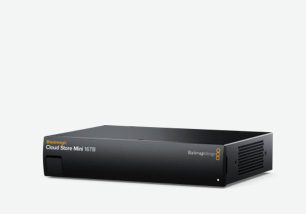
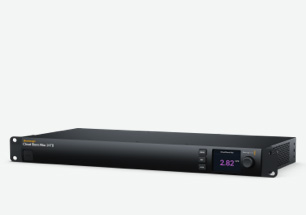
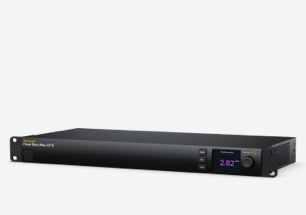
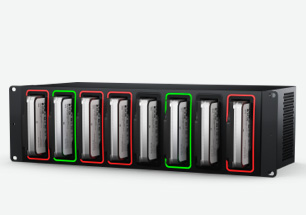
“As you can imagine, quality is everything at Roundhead Studios, so Neil is always looking to take these ‘live broadcasts’ to the next level. A couple of months back, Neil had this idea of live broadcasting a live session every night for two weeks. Using ‘The Brick Room’ studio, which is a much smaller more intimate space than the one we had used for the previous sessions. So the challenge was to shoot much higher resolution using full frame cameras and cine primes. We used two Blackmagic PYXIS 6K cameras and four Blackmagic Cinema Camera 6Ks, simply because they have the same sensor, latitude and color profile. For switching these cameras and live streaming, we used an ATEM Television Studio HD8 ISO that could also create a DaVinci Resolve timeline from the live stream to make my post process much easier. Another game changer to the mix, was adding a Blackmagic Cloud Store Max 24TB for network storage, given we were generating about 2.5TB a night. The 10G Ethernet ports made it super fast matching the 10G port on my Mac Mini.”
“So Neil pulled together this amazing line-up of artists for those two weeks, with the pitch of doing a ‘live stream’ for them on the night. And then after the live broadcast finished, we would pull down the stream and give them a 4K edit of the actual recording. The ISO version of the ATEM Television Studio, along with 6K Blackmagic cameras opened up an entire post editing and color grading workflow making fast delivery a breeze.”

Beyond the Live Stream
“The day after the live performance, we would get one song from each artist and post that online, just to keep the online momentum going! I would open the program feed and ISO files created by the ATEM Television Studio HD8 ISO, and drop them into DaVinci Resolve. From the timeline generated by the ATEM, I could quickly create a 4K version of the live event. Although the live streams are in HD H.264, working with Resolve means you can easily swap out the HD recording for camera original 6K Blackmagic RAW files with a film gamma LUT that matched the display LUT I was using for the stream output. And, when you are working with Blackmagic RAW everything looks amazing too!”


Respecting the Audio!
“Roundhead Studios has a rare Neve 8088 mixing desk, famously with a cigarette burn from when The Who were recording. As you can imagine, Neil Finn has some of the best instruments, sound equipment and sound engineers in the world. So it’s very important the audio coming out of the engineer’s desk made it to the live stream ‘untouched’ by the ATEM! Because the Infinity Sessions are a live performance and a broadcast, the engineers use a stage split between the ATEM and ‘The Brick Room’ studio. They gave me an output that included the room mics for a bit of ambience. It was all pretty simple, using XLRs left and right with four frames for delay and a limiter set to about -6dB seemed to be about right for online.”

Just having Fun
“I remember growing up watching live studio productions with loads of cross fades, and somehow for these shows that retro feel seemed to work well. This effect is not something you can just right click on in DaVinci Resolve and easily replicate, particularly when riding the t-bar. It seemed to become a bit of a signature look for these shows. Loads of friends watching the sessions would bring it up when talking about watching them. Even younger (maybe more cynical) artists commented about how much they loved the look. I was getting pretty good at this over the fourteen days of live streams.”

The Orchestra of Things
“Just like a musical performance, making live streams happen requires a lot of different gear to play well together. Like an ‘orchestra of things’ that needs to be in perfect sync every night. I normally use Blackmagic HyperDeck Studios for program record and playback for these sessions. But then a colleague of mine suggested DaVinci Resolve for playback, because you can drop almost anything in the timeline and regardless of format, it will just play. And you don’t need to render to a specific format either!”


Circus Maximus
Director: James Tonkin
DP: James Tonkin
Creative Director: Gavin Elder
Editor: Matt Cronin
Sound Dub / Music: Alan Witts
Colorist: James Tonkin
“We get to create visuals in the most unique and amazing places, with some of the most incredible musicians in the world.”
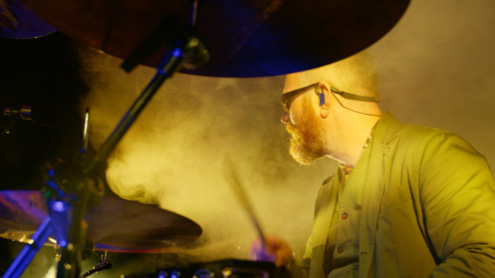
“I have been fortunate to work with David Gilmour of Pink Floyd for many years now, including his concert at Pompeii in 2016. And so I was very excited when David’s creative director, Gavin Elder, mentioned this concert would be at Circus Maximus in Rome. I’ve filmed there before with the Rolling Stones, and it is just an epic place having Rome as a backdrop for a big concert like this. Every street corner you turn down there is something 2,000 years old to catch your attention.
“When I do these sorts of projects, I do the directing, cinematography and post production. I think being a colorist is the perfect balance to being a cinematographer. They are creative bookends to each other! And now having creative control over the entire process has become much easier using the Blackmagic RAW/proxy workflow, with DaVinci Resolve and Blackmagic’s Cloud Store for sync. I am able to completely eliminate the need for the traditional dailies workflow, replacing it with a workflow that can immediately respond to my creative decisions. And that’s what I have built here at HANGMAN in London, a high-end post facility that can support my directing and cinematography.”

Burning the Midnight Oil
“When I used to shoot four hours of footage on four cards, that would mean four hours of copying at a minimum. After each concert had finished I would be at the hotel copying media while everyone else would be down at the bar enjoying themselves. So now being able to copy all of my footage to a Cloud Store and have it automatically load into Resolve, is transformative.”


Collaboration
“At HANGMAN, we've been earlier adopters of the Blackmagic’s Cloud and Cloud Store workflow, simply because of this necessity to get projects working remotely. I've been doing remote workflows with my editors for a long time, as I'm never just doing one project at once. I've had about eight projects stacked up since September, and with the Blackmagic Cloud workflow means that I can constantly have them rolling at the same time.”

Proxies Make Life Easy
“I love recording in 12K and 6K media with multiple cameras, so having a fast turnaround is only possible using proxies. The benefit of having proxies recorded at the exact same time as the camera original BRAW files, is immense. It just makes everyone's life way easier working this way.
Always Shoot RAW
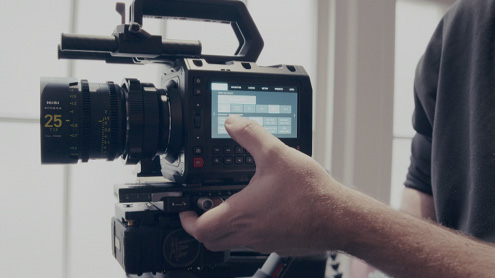
“I'm always advocating RAW recording, even if the client just wants a fast turnaround afterwards. I'd sooner give them a proxy to keep them happy, and then do the grade in BRAW. Not that I have anything against ProRes, but when I shoot, I always record in BRAW because it keeps my options open.